
Advancements in Cancer Gene Therapy: A Comprehensive Review
- Open Access
- Peer Reviewed
- Similarity Checked
- CC BY 4.0
Abstract
Gene therapy is a cancer treatment that is superior to chemotherapy, radiotherapy, and other less selective and specifically harmful forms of treatment. It entails the aberrant replacement, alteration, and deletion of a gene within a normal or healthy copy of a gene. Recent trials have made significant progress toward improved targeting and expression in particular tumors, shielding patients from several challenges, such as biosafety, low-specificity, and low-efficiency delivery. To replicate transgenes and vectors more safely and effectively, numerous genetic approaches are being improved. These developments in gene treatments include the ability to be modified for recurring cancer treatment, with the potential to elevate neoplastic disorders as the main therapeutic target. This review discusses the developments in cancer gene therapy and how they affect individuals undergoing gene transfer via different methods.
Article Information
- Received
- Accepted
- Published
Academic Editor: Anubha Bajaj, Consultant Histopathologist, A.B. Diagnostics, Delhi, India.
Checked for plagiarism: Yes
Review by: Single-blind
Copyright © 2026 Massreshaw Assnakew Abebe, et al.
 This is an open-access article distributed under the terms of the Creative Commons Attribution License, which permits unrestricted use, distribution, and reproduction in any medium, provided the original author and source are credited.
Corresponding author: Massreshaw Assnakew Abebe, Addis Ababa University, Biotechnology Research Center, PO Box 1176, Addis Ababa, Ethiopia, Addis Ababa City Administration Cleansing Management Agency, Addis Ababa, Ethiopia —
Competing Interests
The authors have no competing or financial interests to disclose.
Funding
No specific funding statement was provided by the authors.
Data Availability
No data-availability statement was provided by the authors.
Acknowledgements
The author expresses gratitude to the Addis Ababa City Administration for sponsoring their Ph.D. in Biotechnology, confirms the support of their advisor, Prof. Tesfaye Sisay Tesema, and thanks their colleagues for their encouragement and recommendation.
Citation:
Introduction
Cancer is a well-known health problem, with an expected 18.1 million new cases and 9.6 million deaths linked to it each year 1. The annual incidence of cancer in Ethiopia is estimated by the Federal Ministry of Health to be more than 60,960 cases and more than 44,000 deaths, or 5.8% of the total mortality rate in the nation 2. Colon, stomach, prostate, cervical, breast, ovarian, skin, and lung cancers are among the types that kill people worldwide 3.
In regard to cancer treatments, the methods used include gene or nucleic acid transfer to tumor cells, direct cell killing, immunomodulation, and fixing genetic flaws to reverse the malignant state 4. Genes from damaged cells are included in therapies to strengthen normal cell resistance to cancer or to treat infected cells (cancers).
Gene therapy involves either delivering DNA or nucleic acids to a patient to correct a malfunctioning gene or gene product or introducing foreign genetic material into a cell for therapeutic purposes to treat incurable cancer sickness 5. It is one of the key defenses against cancer caused by different sequential adaptive mutation disorders that may or may not exhibit a change in the maintenance of malignant cells and their particular causative hierarchy. In the field of modern medicine, for example, the FDA has approved gene-based medications to treat hereditary illnesses such as cancer and acute lymphoblast leukemia 6.
The goal of this strategy, known as "advancements in cancer genetic modification and immune cells in cancer gene therapy," is to replace, modify, or completely eradicate problematic genes in target cells. Target cells can be specific cells, such as DCs or T-cell lymphocytes, as well as circulating tumor cells (dormant stem cells) and malignant primary or metastatic nodules 7. Active human genes that are exposed to several stimuli, including environment, inheritance, gene mutation, infections, aberration, malfunction, and deletion, can result in cancers 8. For instance, metastases of breast cancer patients with mutations in the estrogen receptor gene (ESRG) enhance intratumor cell heterogenicity and genomic instability to a high degree in a more sophisticated and compressive manner.
In the future, more effective cancer gene therapies will be accessible and helpful for treating all cancer cells. According to recent research, it works well as a treatment both in vivo and ex vivo. However, a major obstacle shared by all cancer gene therapy regimens is the transportation of the therapeutic product to the target tissue at an effective dose 9. The objective of this review is to describe gene delivery methods and cancer therapy applications that involve modifying, eliminating, or replacing new normal genes in infected cells or malignant cells.
Gene Therapy and Cancer
Gene therapy is a therapeutic approach in which genes are manipulated to treat or prevent diseases, including cancer. It aims to target genetic abnormalities that drive tumor growth, progression, and resistance to conventional treatments. Key aspects of gene therapy include targeting cancer genes, using gene replacement, gene silencing, and gene editing. Delivery systems, such as viral vectors or nonviral methods, are used to transport therapeutic genes or editing tools into target cells 10.
The therapeutic goals of gene therapy in cancer include apoptosis, inhibition of tumor growth and metastasis, sensitization to other treatments, and modulation of immune responses. However, challenges such as off-target effects, immune responses, and delivery limitations exist. Advances in gene editing technologies, delivery systems, and personalized medicine approaches are addressing these issues, improving the efficacy and safety of gene therapy in cancer 11.
Gene therapy can target specific cell types or tissues using various strategies, such as tumor-specific promoters, targeted delivery systems, and local delivery. Challenges in gene therapy in cancer include optimizing gene delivery, ensuring safety and specificity, overcoming treatment resistance, and addressing immune responses 12. Future directions include advancing targeted delivery systems, improving gene editing precision, exploring combination therapies, and conducting rigorous clinical trials to evaluate efficacy and safety.
Overall, gene therapy holds promise as a personalized and targeted approach to cancer treatment by harnessing genetic modifications to disrupt cancer pathways, enhance immune responses, and overcome treatment challenges. Ongoing research and advancements continue to expand the potential of gene therapy in the fight against cancer.
Techniques for Gene Transfer (Vectors) in Cancer Gene Therapy
Cancer gene therapy utilizes various techniques and vectors to deliver therapeutic genes or gene editing tools into cancer cells. Key techniques include adenoviruses, lentiviruses, and adeno-associated viruses (AAVs), while nonviral vectors include liposomes, polymeric nanoparticles, and naked DNA/RNA10. Physical methods include electroporation, sonoporation, microinjection, and hybrid vectors 13.
Gene therapy is a method of delivering therapeutic genes into target cells via vectors. There are two main types: viral vectors and nonviral vectors. Therapeutic genes, such as those that produce proteins, correct mutations, disrupt oncogenic pathways, induce cell death, or modulate immune responses, have been shown to have therapeutic effects 14 (Figure 1). Promoters control gene expression, while regulatory elements optimize gene expression. Selection markers for monitoring gene delivery efficiency and transgene expression. Safety features minimize side effects and the risk of insertional mutagenesis. These methods offer diverse options for delivering therapeutic genes, gene editing tools, or RNA-based constructs to target and modify cancer cells for effective and selective anticancer effects.
Figure 1. Components of gene therapy. The foundation of gene therapy is the hypothesis that foreign sequences or genes can be introduced into cells via "vehicles" or vectors. To transfer a therapeutic passenger to the target cell, a vector serves as a carrier vehicle. 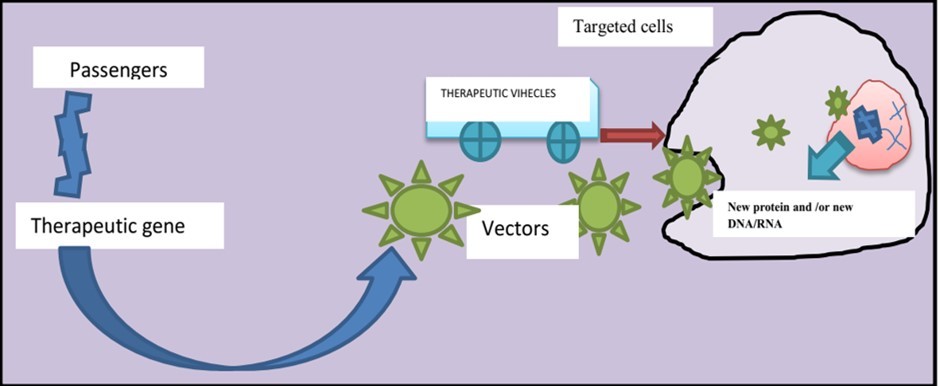
Download figure
Gene transfer, the technique of delivering genetic material into targeted cells via biological and nonviral vectors, has been used for safe and effective gene delivery. Research now focuses more on somatic cells than on germ cells, with many cancer gene therapy strategies based on three essential components: the genetic material to be transmitted, the transfer technique, and the type of target cell.
Biological Gene Transfer (Vectors)
Biological gene transfer vectors are essential tools in genetic engineering, biotechnology, and gene therapy 15. They can include viruses, plasmids, or artificial DNA molecules. Viral vectors infect cells and deliver genetic cargo. Plasmid vectors are circular DNA molecules used in molecular biology, while artificial vectors are custom-designed DNA sequences for therapeutic applications.
Bacterial Vector
Using magnetic or fluorescence imaging to deliver cytotoxic agents and prodrug-converting enzymes during the host immune response, bacterial vectors are efficient methods for delivering DNA to cells or tissues 16. They are more practical, safe, efficient, affordable, and simple to use due to their gene replication and transcription capabilities.
Bacterial vectors, such as plasmids, artificial chromosomes, cosmids, phages, and yeasts, are utilized in molecular biology, genetic engineering, and biotechnology for gene cloning, expression studies, and protein production 17. Plasmid vectors are small, circular DNA molecules found in bacteria that can be engineered to carry foreign DNA fragments.
BACs, cosmid vectors, and YACs are bacterial DNA molecules used for cloning and manipulating genomic regions, combining the features of plasmids, bacteriophages, and yeast cells 18 (see Figure 2).
Figure 2. Gene therapy via bacteriotransfection. A) Using bacteria as vectors, plasmids carrying therapeutic genes are inserted into host cells displaying disease characteristics. B) An invasive bacterial vector inside the host cell. C) After bacteria escape the phagolysosome, plasmids are released into the cytoplasm of the host cell and migrate toward the nucleus. D) The therapeutic gene of the plasmid is expressed by the host cell as a therapeutic protein. E) When the changed or deleted gene product is replaced by the transgene-encoded protein, the cell returns to its normal phenotype. 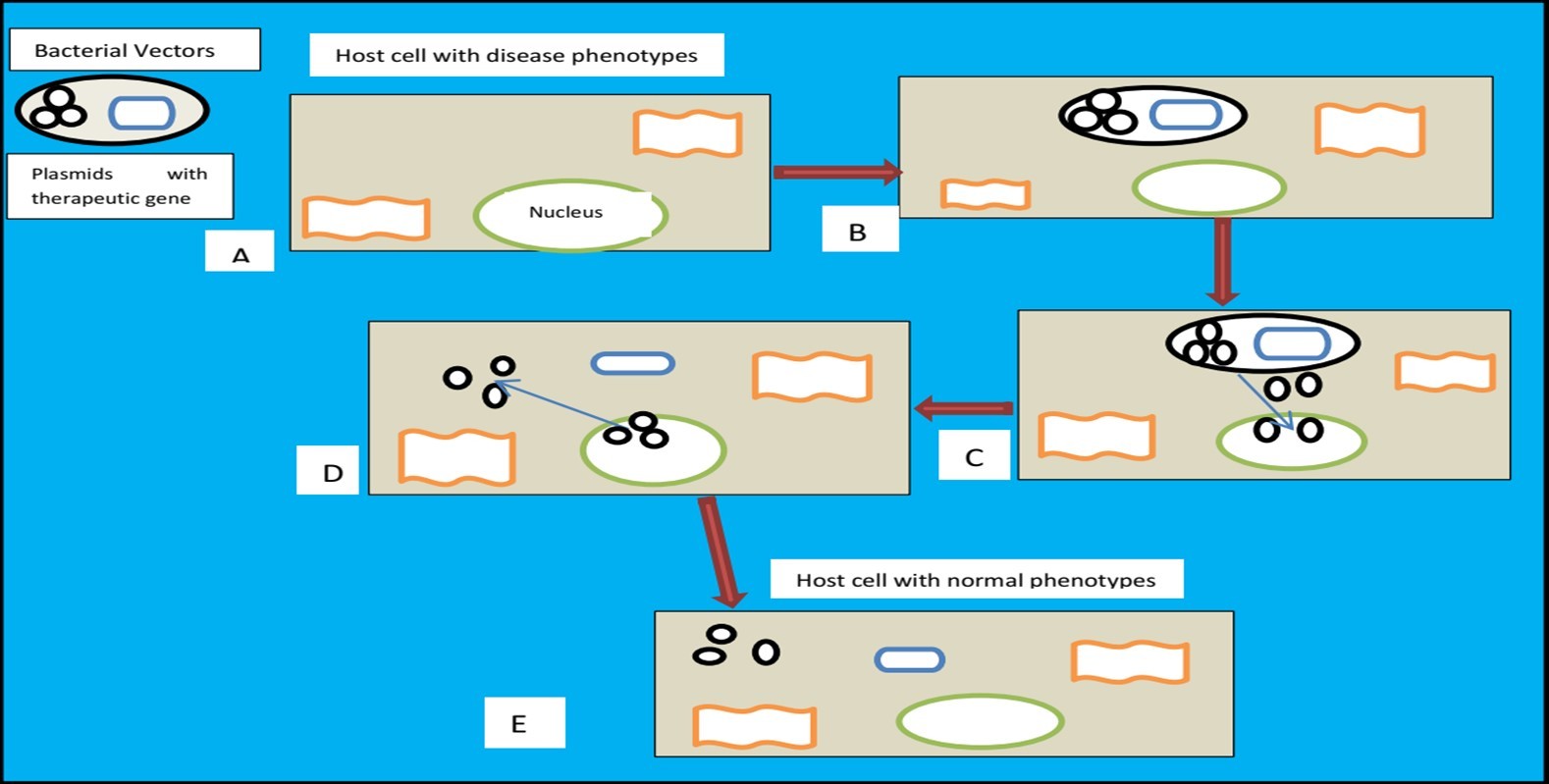
Download figure
Viral Vectors
Viral vectors are gene transfer tools derived from viruses that can efficiently deliver genetic material into target cells. They are widely used in genetic engineering, gene therapy, and biotechnology due to their high transduction efficiency, ability to infect a wide range of cell types, and potential for stable and long-term gene expression. Common types of viral vectors include adenoviral vectors (AdVs), adeno-associated viral vectors (AAVs), retroviral vectors (RetroVes), lentiviral vectors, herpes simplex virus vectors (HSVs), vaccinia virus vectors, and AAV hybrid vectors19.
The choice of viral vector depends on factors such as the target cell type, genetic cargo size, safety considerations, and the duration of gene expression needed. The protein-coated structure of the viral capsid protects particles from the release enzymes of the host cell, including nucleases. They may also consist of RNA or SS (DS) DNA 20.
RNA viruses account for 70% of all viruses and differ in their genomic architecture due to their high rate of mutation and enhanced capacity to target different host cells. Oncolytic vectors, which are produced from the genetic transcription of the viral genome, are among the newest and most promising gene therapies for the genetic destruction and eradication of tumor (cancer) cells 21 (Figure 3). However, some innocuous compounds can propagate viruses, lyse oncolytic vectors, and express cytotoxic proteins to infect and destroy host cells.
Viruses such as adeno, vaccinia, herpes simplex, reovirus, and Newcastle disease target cancer and are easy to genetically manipulate. Oncolytic medications challenge individuals with antibodies 22.
Figure 3. Genetically, viruses can be used as medicinal agents. In a gene transfer, therapeutic DNA is combined with a vector, typically one that comes from a virus. Vectors can be injected directly into the recipient's tissue, or they can be utilized to modify cells ex vivo for transplantation into the recipient. 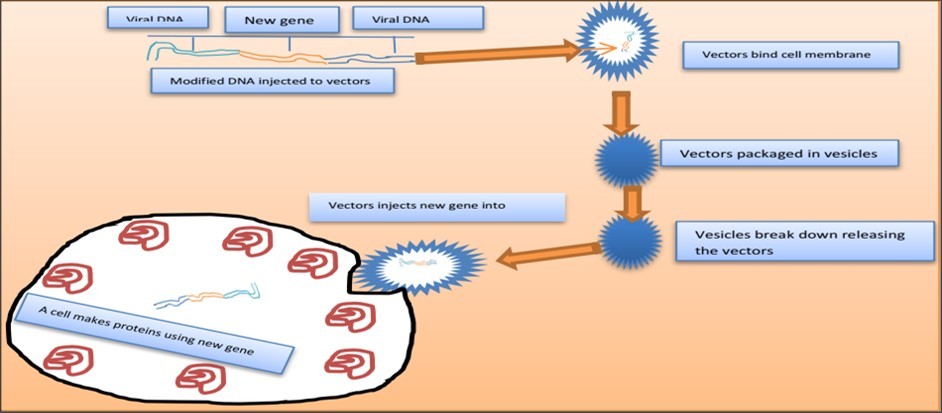
Download figure
Nonviral Vectors
Recent advancements in nonviral vector technology have focused on improving the efficiency, specificity, safety profile, and applicability of these methods in various biomedical applications. Nanotechnology has seen significant improvements in design and functionality, with researchers developing nanoparticles with precise size, shape, and surface properties to enhance cellular uptake and targeted delivery of genetic material. Smart delivery systems incorporate stimuli-responsive materials or controlled-release mechanisms, which can respond to environmental cues to trigger the release of genetic cargo at specific locations or times 23.
CRISPR/Cas9 delivery is being optimized for delivering CRISPR/Cas gene editing components into target cells 24. Hybrid vectors combining different types of nonviral vectors have led to improved gene delivery properties. Organoid and tissue targeting techniques such as tissue engineering, 3D printing, and microfluidics are integrated with nonviral vector technology to enable precise and localized gene delivery for regenerative medicine and disease modeling.
Genome editing tools beyond CRISPR/Cas, such as zinc finger nucleases (ZFNs) and transcription activator-like effector nucleases (TALENs), are used for efficiently introducing genetic modifications for research, therapy, and biotechnology applications. Nonviral vectors play a crucial role in immunotherapy, including cancer vaccines, antigen presentation, and immune modulation. Advances in nanoparticle design and adjuvant incorporation have improved the efficacy of nonviral vectors in stimulating immune responses.
Nonviral vectors have been applied in various contexts, such as chemical and physical methods for transfecting cells with DNA 25. Advantages over biological vectors include safety, low immunogenic response, high gene capacity and stability, ease of modification, chemical design freedom, and lack of molecular size limits. However, their transfection rate is lower than that of biological vectors.
Physical Gene Transfer
Physical gene transfer methods involve applying ultrasound or a gene gun to target cells, tissues, or vaccines, allowing the genetic material of DNA coated with nanoparticles, such as gold and other metals, to pass through the cell nucleus. Electroporation is a physical method that involves high electrical voltage pulses, the use of foreign genetic material, and the creation of nanopores to expose DNA 26. Interleukin 12 (IL-12) and interferon (IFN alpha), immune response-related genes, are commonly used in electroporation-mediated tumor treatment due to their adaptability, simplicity in clinical trials, and capacity to treat various cell types 27 (Figure 4).
Physical gene transfer techniques can also be employed to maintain episomal status, and their effectiveness is correlated with cell turnover rates. Vector-mediated transfer using CRISPR, TALEN, or ZFN is necessary for nonviral gene therapies 28. Advancements in efficiency, precision, and versatility have led to advancements in pulse parameters and device design, while microfluidic-based transfection systems are being developed for highly controlled and automated gene delivery.
Nanotechnology integration is also being explored, with physical gene transfer methods combined with nanotechnology to create hybrid systems for improved gene delivery 29. NPs enhance cargo protection, cellular uptake, and intracellular trafficking. Optical transfection techniques, sonoporation enhancements, and nanotechnology have enhanced in vivo applications in gene therapy and biomedical research 30. Integrating these techniques with nanotechnology, microfluidics, and imaging technologies enhances potential applications.
Figure 4. Physical techniques of gene transfer by electroporation. The underlying idea of this method is that transmembrane potential differences produced by delivering electric pulses across the cell membrane allow transitory membrane penetration and facilitate DNA insertion via the destabilized membrane. 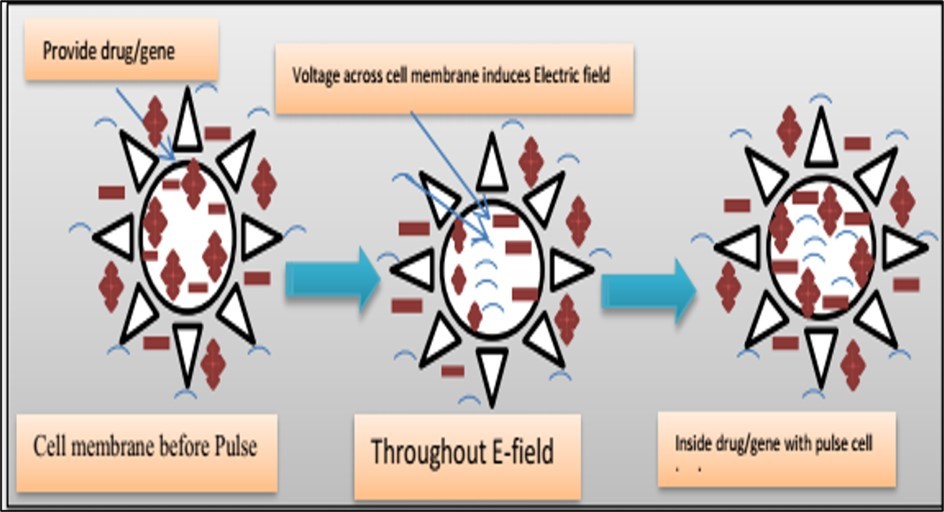
Download figure
Chemical Gene Transfer
Nonviral vectors for chemical gene transfer in gene cancer therapy have been developed to improve specificity, efficacy, and safety while addressing challenges such as tumor targeting, systemic delivery, and immunogenicity. Advancements include targeted delivery systems, smart nanoparticle design, combination therapies, immune modulation, gene editing tools, systemic delivery optimization, and clinical translation 31. Targeted delivery systems target cancer cells by incorporating ligands to reduce off-target effects. In smart nanoparticle design, stimuli-responsive materials or targeting moieties are used to control the release of genetic material within tumor cells, enhancing therapeutic effects while minimizing systemic toxicity. Combination therapies involve delivering multiple therapeutic genes or a combination of genes and drugs into cancer cells, allowing synergistic effects 32. Immune modulation involves delivering genes encoding immunomodulatory molecules into tumor cells or immune cells, stimulating antitumor immune responses, and overcoming immune suppression. Systemic delivery optimization involves surface modification with polyethylene glycol for prolonged circulation, encapsulation in biocompatible carriers for enhanced stability, and cell-penetrating peptides for improved cellular uptake 33 (Figure 5).
Figure 5. Chemical gene transfer approach using cationic liposomes. DNA and cationic lipids form lipoplexes, which are micellar structures called liposomes. These complexes can fuse with the cell membrane and form a double-layer inverted vesicle when internalized by endocytosis. As the endosome matures into a lysosome, the endosomal wall may burst, releasing DNA into the cytoplasm and potentially toward the nucleus. Gene expression may result from DNA import or DNA breakdown. 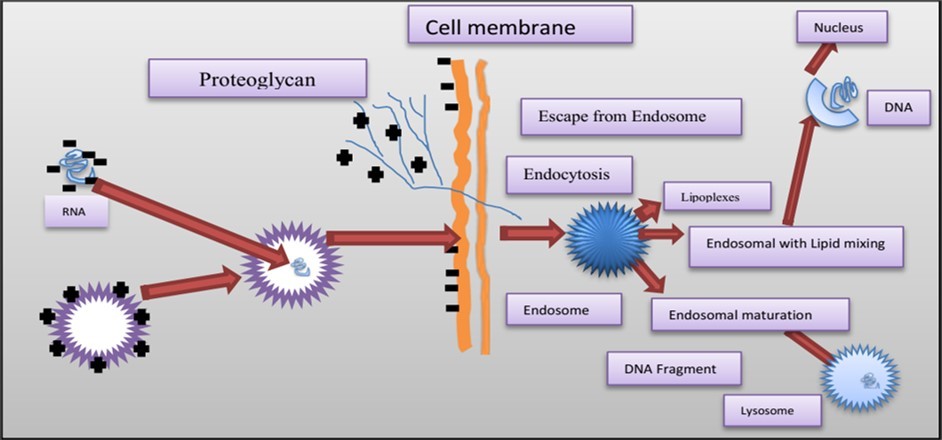
Download figure
Use of gene delivery mechanisms for gene therapy
P53 Gene Therapy
P53 gene therapy is a treatment for more than 50% of human cancers, including gliomas and lung, ovarian, breast, head, and neck cancers 34. Mutations in the p53 gene control the transcriptional and nontranscriptional activity of several targets, upregulating genes and proteins that encode cell cycle inhibitors, apoptosis inducers, DNA repair proteins, and metabolic regulators while downregulating genes and proteins linked to cell cycle progression. Recent advances in gene cancer therapy, particularly in delivering the P53 gene, have shown promising improvements in efficacy, specificity, and safety 35. Key advancements in this area include targeted delivery systems, dual gene therapy approaches, optimization of gene expression, gene editing technologies, immune modulation, clinical trials and translation, and nonviral gene delivery technologies.
Targeted delivery systems focus on improving specificity toward cancer cells while sparing healthy tissues. Dual gene therapy approaches combine P53 gene delivery with the delivery of other therapeutic genes to enhance anticancer effects and overcome resistance mechanisms in tumors. The optimization of gene expression involves fine-tuning the promoter sequences driving P53 expression to achieve controlled and sustained levels of the P53 protein, which is crucial for inducing apoptosis and inhibiting tumor growth 36. Clinical trials and translation have evaluated the safety and efficacy of P53 gene delivery strategies in patients with various types of cancer.
Anti-Angiogenesis Gene Therapy
Antiangiogenic gene therapy is a treatment for various cancer types, including esophageal carcinoma, that inhibits angiogenesis-dependent tumor growth, invasion, and metastasis 37 (Figure 6). Treatment with NK4 prevents malignant tumors from spreading through cells. Recent advances in gene cancer therapy using antiangiogenic agents have led to promising developments in targeting the tumor vasculature, inhibiting angiogenesis, and suppressing tumor growth.
Targeted gene delivery systems aim to deliver antiangiogenic genes to the tumor vasculature while minimizing off-target effects. Researchers are optimizing the expression levels and duration of antiangiogenic gene expression within the tumor microenvironment by selecting appropriate promoters and incorporating regulatory elements. Combination therapies target the tumor vasculature, disrupt angiogenic signaling pathways, and enhance overall antitumor effects while minimizing drug resistance. Gene editing technologies such as CRISPR/Cas systems are being explored for precise modulation of angiogenic pathways 38. Imaging-guided therapy integrates imaging technologies such as magnetic resonance imaging (MRI), positron emission tomography (PET), or ultrasound (US) with antiangiogenic gene therapy for real-time monitoring and assessment of treatment response 39. Immunomodulation combined with antiangiogenic gene therapy can enhance antitumor immune responses and improve treatment outcomes. Clinical trials have assessed the potential of antiangiogenic gene therapy as a standalone treatment or in combination with standard therapies for improved patient outcomes 40.
Figure 6. The EGFR signaling pathway. A). EGFR is bound by an EGF ligand, which then causes homo or heterodimerization and tyrosine kinase residue auto or transphosphorylation of dimer partners. This initiates the real downstream signaling cascades. B). The tabular Ras signaling cascade. C). A tabular representation of the PI3K signaling cascade 41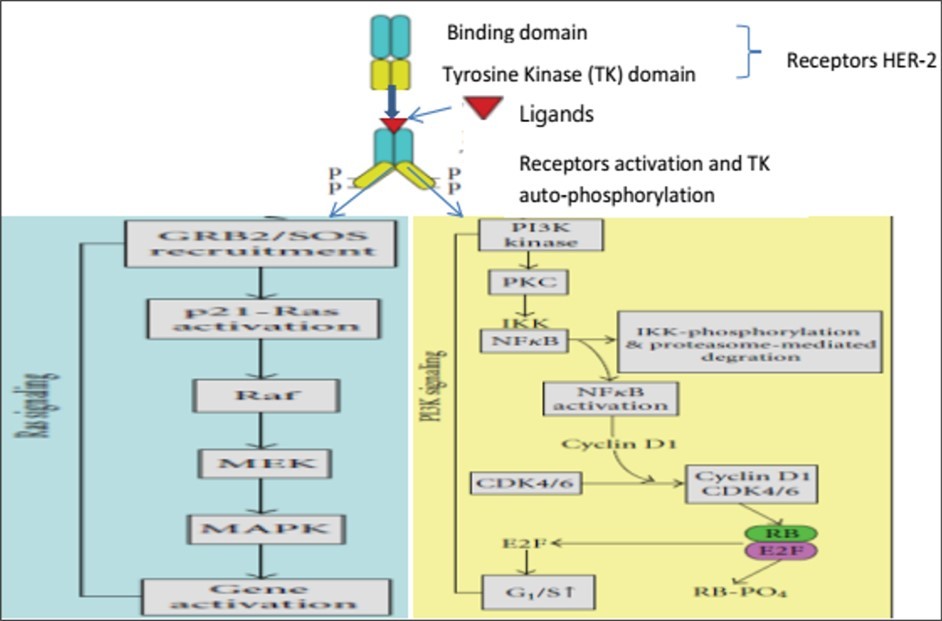
Download figure
TCR gene therapy
T-cell receptor gene therapy is a method used to generate immune cells that can target tumor cells ex vivo and recognize tumor antigens in the tumor microenvironment linked with human leukocyte antigens (HLAs). T cells are crucial for cell-mediated immunity and are genetically modified to mediate effector and antigen-specific memory, immune memory, and long-lasting immune responses 42 (Figure 7).
Cancer-testis antigens (CTAs) are alternative targets for TCR gene therapy and can be used to treat various cancer types, including melanoma and bladder, breast, and lung cancer. Recent advances in T-cell receptor gene therapy have shown significant progress in harnessing the immune system to target and eliminate cancer cells. Key advancements include optimizing TCR constructs for improved specificity, affinity, and antitumor activity; enhancing T-cell expansion and persistence; dual TCR engineering; gene editing technologies; TCR-T-cell modifications; combination therapies; and clinical translation. 43
Combination therapies combine TCR gene therapy with other therapeutic modalities to synergize with antitumor immune responses and improve overall treatment outcomes in patients with solid tumors or hematological malignancies. Clinical trials have assessed the potential of TCR gene therapy as a personalized and targeted immunotherapy for refractory or relapsed cancers 44.
Figure 7. Diagrams showing how the TCR peptide and MHC interact. Ninety-five percent of 95 human T cells express a pair of TCR α and β chains, with six CD3 chains and either CD8 or CD4 coreceptors on the cell surface. Each CD3 chain contains one to three ITAMs in the intracellular domain. When T lymphocytes contact antigen-specific peptides/MHCs generated on tumor cell surfaces, they activate the ITAM, ZAP70, PKC, MAPK, and NF-κB signaling pathways. They release granzymes, cytokines, and perforin, causing lysozyme in tumor cells 45.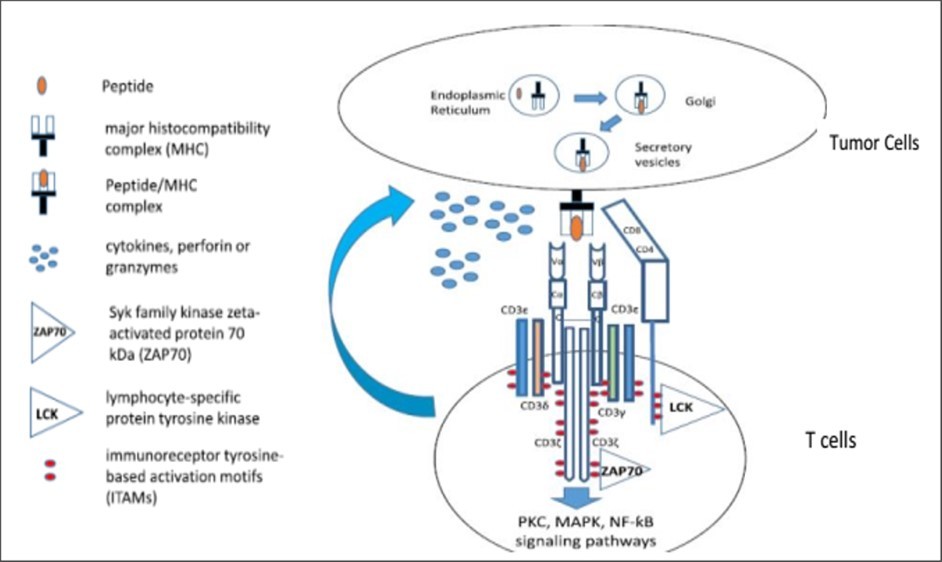
Download figure
Tumor Suppressor and Oncogene Gene Therapy
Carcinogenesis is the process of altering the function of certain genes, including tumor suppressor genes, dominant oncogenes, and proto-oncogenes, to detect cancer in healthy cells 46. Mutations, amplifications, translocations, and rearrangements can lead to malignant transformation of a cell. Mutant Kras introduces antisense technology to inhibit or eliminate the effects of the complementary sequence of target RNA on lung cancer expression in humans by synthesizing a protein that blocks mRNA splicing, transport, and translation. Recent advances in gene therapy targeting tumor suppressor genes and oncogenes have made significant progress in developing novel therapeutic strategies to control cancer progression47. Key advancements include CRISPR/Cas-based gene editing, synthetic gene circuits, small interfering RNA (siRNA) therapy, gene replacement therapy, gene activation therapy, combination therapies, and clinical translation.
Clinical trials have assessed the feasibility of TSG/Oncogene gene therapy as a standalone treatment or in combination with standard-of-care therapies for improved cancer management. Overall, recent advancements in TSG/Oncogene gene therapy have focused on leveraging these technologies to develop effective and personalized therapeutic options for cancer patients 48.
Suicide Gene Therapy
Suicide genes can become poisonous due to their ability to transduce tumor cells, act as indirect prodrugs, or exert other lethal effects. Herpes simplex virus thymidine kinase (HSV-TK) is the most widely used suicide gene therapy and uses the antiviral drug ganciclovir (GCV) to change toxic metabolites, leading to apoptotic cell death or DNA replication failure. The combination of high-efficiency marker (HE4) promoters and the HSV-TK system promotes cell death in ovarian cancer cell lines by a factor of ten in those both susceptible to and resistant to cisplatin 49 (Figure 8).
Recent advances in suicide gene therapy have shown significant progress in developing targeted and effective strategies to induce cancer cell death. Key advancements in this area include optimizing suicide gene constructs, developing novel prodrug activation systems, combining dual suicide gene approaches, cell-specific targeting, imaging-guided therapy, immune modulation, and clinical translation. These strategies hold promise for inducing cancer cell death, overcoming resistance mechanisms, and improving patient outcomes in oncology 50.
Figure 8. The suicide gene therapy system HSV-TK. Herpes simplex virus produces ganciclovir and thymidine kinase (HSV-TK/GCV), which phosphorylate GCV to form GCV monophosphate. This triphosphate is converted to GCV triphosphate, which stops DNA replication and causes apoptosis. The immunogenicity of this virus limits its ability to cause suicide. Passive entry of GCV triphosphate into cells is possible through gap junctions, potentially limiting therapeutic effects. Incorrect integration of GCV triphosphate into DNA also activates exonucleases and G2-phase arrest cell cycle repair mechanisms 51. 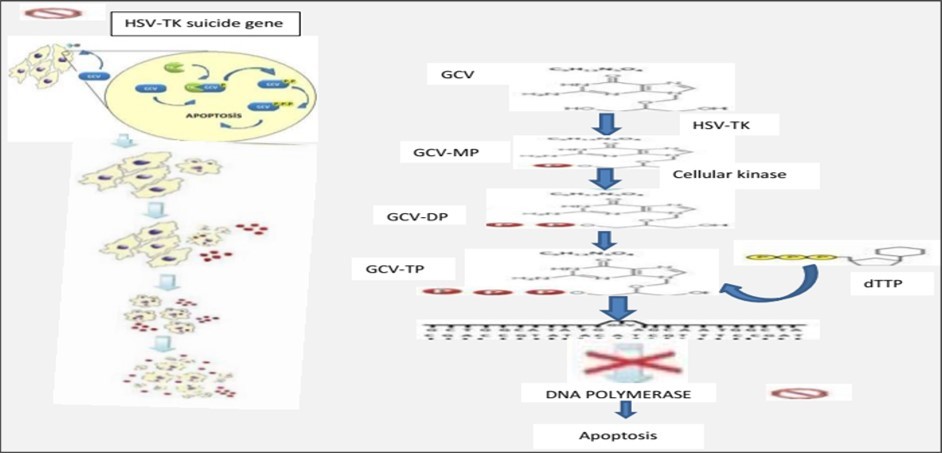
Download figure
Gene therapy through cancer gene editing
Gene editing therapy involves the alteration of specific genes linked to cancer development and progression. It uses advanced technologies such as CRISPR/Cas systems, zinc finger nucleases (ZFNs), and transcription activator-like effector nucleases (TALENs). Recent advancements in gene cancer therapy have led to the development of precise and targeted treatments for cancer. Key advancements include precision editing of oncogenes and tumor suppressors, synthetic lethality, gene knockout strategies, gene insertion and correction, gene regulation and epigenetic editing, off-target minimization, delivery optimization, and clinical translation 52 (Figure 9).
Precision editing of oncogenes and tumor suppressors corrects mutations, disrupts oncogenic signaling pathways, or enhances tumor-suppressive functions, improving patient outcomes. Synthetic lethality selectively targets cancer cells with specific genetic alterations, designing targeted therapies that induce cell death while sparing normal cells. Gene knockout strategies target genes that promote cancer cell survival, proliferation, or resistance to therapy. Gene insertion and correction enable the insertion or correction of therapeutic genes within cancer cells, enhancing antitumor immune responses, causing cancer cell death, or inhibiting tumor growth. Combining these therapies with optimized delivery systems enhances editing efficiency, reduces immune responses, and improves therapeutic outcomes 53.
Figure 9. Gene editing mediated by CRISPR/Cas9. The gene is targeted by Cas9 and sgRNA, causing DSBs near the PAM region. DNA damage repair is performed through the NHEJ route or HDR. In the NHEJ pathway, random insertions and deletions result in error-prone repair, while the HDR route uses homologous chromosomal DNA as a template, enabling error-free repair 54.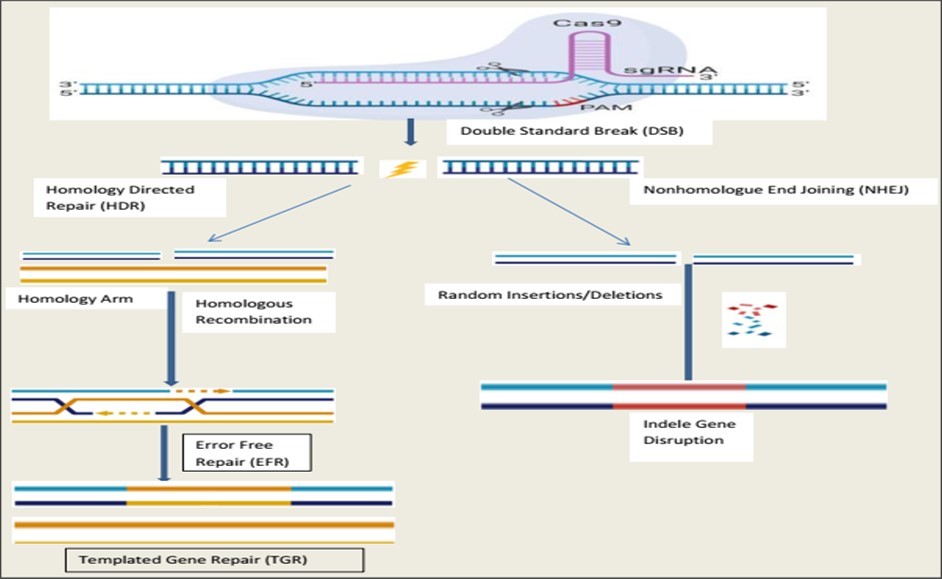
Download figure
RNAi (siRNA) Gene therapy
RNA interference (RNAi) is a posttranscriptional process that involves small regulatory RNAs such as microRNAs and small interfering RNAs (siRNAs). These RNAs have the sequence-specific ability to silence target messenger RNAs (mRNAs), with the Argonaute protein (Ago-2) controlling the specificity of target mRNA recognition. Oncogenes are mutated genes that act as genetic markers for tumor development, targeting, and silencing throughout the lifespan of patients. Short interfering RNA (siRNA) is a method of systemic tumor silencing that is mediated in the host by cellular phagocytosis, enzymatic degradation, and renal filtration. However, siRNAs have high specific toxicity, low systemic levels, and no induction of multidrug resistance (MDR1) against the target gene 55 (Figure 10).
The promising potential of siRNAs for implementing sequence-specific gene silencing in cancer gene therapy is limited by several clinical hurdles, such as the ability of resident nucleases to quickly breakdown siRNAs in the cytosol of cells due to their instability and inability to reach cells through chemical carriers. Recent advances in gene cancer therapy using RNAi or siRNA have made significant progress in developing targeted and efficient treatments for cancer 56.
Figure 10. siRNA complex for silencing in cancer gene therapy. RNA interference requires siRNA complexation by a nanoparticle carrier, entry into cells, and endosomal release into the cytoplasm for efficient distribution. This delivery method should provide an acceptable route for siRNA compressed into small nanoparticle formulations (≤ 80 nm) to penetrate the circulatory system and solid tumors. siRNA should be delivered through carrier-mediated endocytosis, limiting the immune response and preventing undesired harmful effects 57. 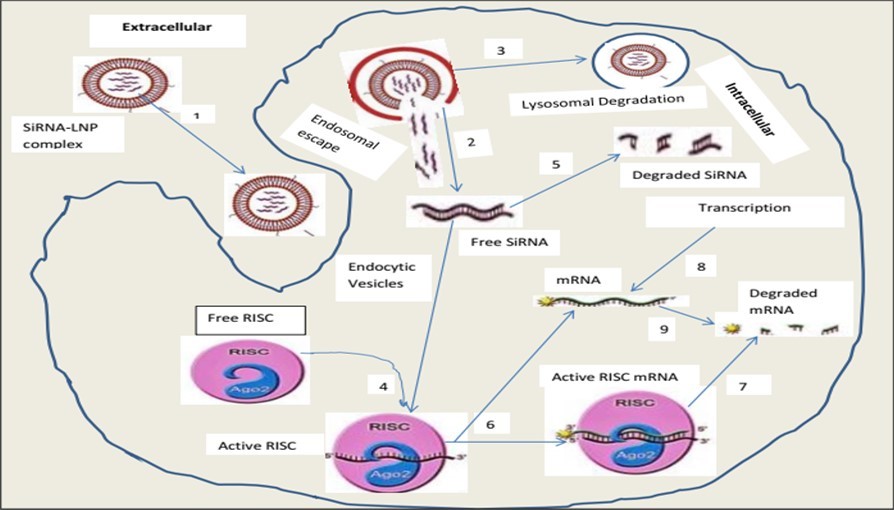
Download figure
Immunomodulatory Approach in Cancer Gene Therapy
Recent advancements in immunomodulatory gene therapy have made significant progress in targeting and eliminating cancer cells by enhancing antitumor immune responses, overcoming immune evasion mechanisms, and promoting immune-mediated tumor regression. Key advancements include checkpoint inhibitor gene therapy, chimeric antigen receptor (CAR) T-cell therapy, cytokine gene therapy, tumor antigen presentation enhancement, immune cell recruitment, tumor microenvironment modification, and combination therapies 53. Clinical trials evaluating the safety, efficacy, and feasibility of these therapies, promising durable anticancer immunity and improved patient outcomes are ongoing.
Genetically modified tumor cells
Poxvirus, a vaccine virus, is a powerful tool for producing modified tumor cells due to its large gene insert size, lack of viral integration, and excellent immunological stimulation. Its costimulatory molecules enhance the immunogenicity of tumor cells, and injecting the poxvirus vector into the tumor can further boost antigenicity and maintain the T-cell response specific to the antigen, leading to an anticancer effect. Recent advances in gene cancer therapy using an immunomodulatory approach involving genetically modified tumor cells have shown promise in enhancing antitumor immune responses and promoting tumor regression 54.
Key aspects of this approach include engineering tumor cells as antigen-presenting cells (APCs), expressing immunomodulatory factors, targeting tumor-specific antigens with CAR-T cells, increasing tumor cell immunogenicity by inducing stress-induced ligands or tumor-associated antigens, and combining these cells with immune checkpoint inhibitors (ICIs). Clinical trials are currently underway to evaluate the safety, efficacy, and therapeutic potential of this approach as a personalized and targeted treatment option for various cancer types 55.
Single plasmid antigen
Single plasmid antigen vaccines are safe and effective and can be incorporated into cancer patient DNA to overcome the short-term impacts of long-term immune activation and targeted cancer gene therapy 58. Recent advances in gene cancer therapy use an immunomodulatory approach with a single plasmid antigen, which involves designing a single plasmid vector carrying multiple genetic elements to enhance antitumor immune responses. Key aspects of this approach include multifunctional plasmid design, tumor antigen expression, costimulatory molecules, cytokines, and immune checkpoint inhibitors.
These elements aim to enhance immune cell activation, proliferation, and effector functions within the tumor microenvironment. Delivery system optimization is crucial for plasmid stability, cellular uptake, intracellular trafficking, and target specificity. Clinical trials evaluating the safety, efficacy, and therapeutic potential of single plasmid antigen-based immunomodulatory approaches in cancer patients are ongoing.
Other Cancer Gene Therapy Approach
Recent advancements in gene cancer therapy have involved the use of prodrug/enzyme/system and theranostic approaches to selectively target cancer cells, efficiently deliver therapeutic agents, and simultaneously monitor treatment response 59. The enzyme-prodrug system optimizes enzyme kinetics and prodrug activation efficiency. Theranostic approaches integrate therapeutic and diagnostic functions, delivering genes for real-time monitoring. Nanoparticle-based delivery systems improve drug stability and cellular uptake. CRISPR/Cas systems enable precise genome modification in cancer cells. Combination therapies combine multiple therapeutic modalities for synergistic antitumor effects.
Prodrug/enzyme/system
The prodrug/enzyme/system approach in gene cancer therapy aims to minimize the side effects of chemotherapy, radiotherapy, and other therapies while maximizing the efficacy of cancer gene treatment. Recent advances in enzyme engineering have led to the development of engineered enzymes that convert nontoxic prodrugs into cytotoxic compounds within cancer cells, enhancing the therapeutic efficacy of the enzyme-prodrug system 60 (Figure 11).
An optimized prodrug design has been developed, focusing on enhancing the pharmacokinetics, tumor targeting properties, and prodrug activation kinetics. Dual-function enzymes have been used to target cancer cell survival pathways or induce apoptosis, enhancing cancer cell killing and reducing resistance risk. Targeted delivery systems have been developed to selectively deliver both enzymes and prodrugs to cancer cells, minimizing off-target effects on normal tissues. Clinical translation of these enzyme-prodrug systems has progressed to preclinical and clinical trials assessing their safety, efficacy, and feasibility in cancer patients 61.
Figure 11. The mechanism by which the prodrug/enzyme/functions. An enzyme-encoding gene is first transfected into cancer cells. Through the process of what is known as the "bystander effect," the enzyme can change the nontoxic prodrug into its cytotoxic form, which causes the death of transfected cancer cells and nearby cells 62,63. 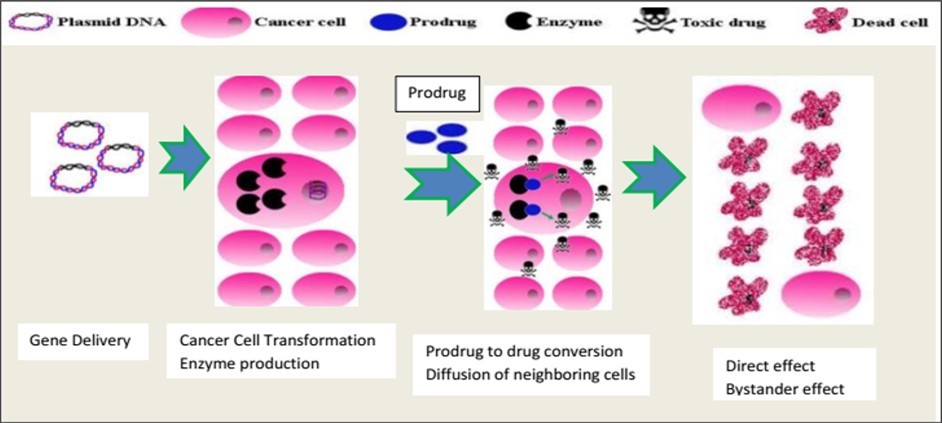
Download figure
Theranostic approach
The theranostic approach is a molecular diagnostic technique that uses RNA interference and magnetic resonance imaging to treat, track, and diagnose cancerous cells. This approach allows patients to benefit from tailored therapeutic interventions that prevent disease and minimize unnecessary medical interventions. It is efficient and patient-centric, improving the capacity to choose the best courses of action, track treatment effectiveness, diagnose and stage diseases, and enhance the predictive capacity for improved health outcomes.
Recent advances in gene cancer therapy using the theranostic approach involve the development of integrated platforms that combine therapeutic agents with diagnostic capabilities, including multifunctional gene delivery vectors, imaging-guided therapy, targeted delivery systems, and molecular imaging reporters 60 (Figure 12). These platforms enable dynamic assessments of treatment efficacy, tumor heterogeneity, and disease progression, leading to optimized therapeutic strategies and improved patient outcomes. Clinical translation of theranostic approaches is ongoing, with preclinical studies and early-stage clinical trials assessing their safety, efficacy, and feasibility in cancer patients 61.
Figure 12. Diagrammatic illustration of the targeted theranostic concept. A). The anticancer drug is inserted into a liposome cavity, with ligands added for precise distribution. A tracer aids in cancer cell detection. Transferrin is conjugated to a TPGS micelle to deliver a therapeutic drug (docetaxel) and a diagnostic agent (AuNC) as a theranostic agent, ensuring targeted delivery 64.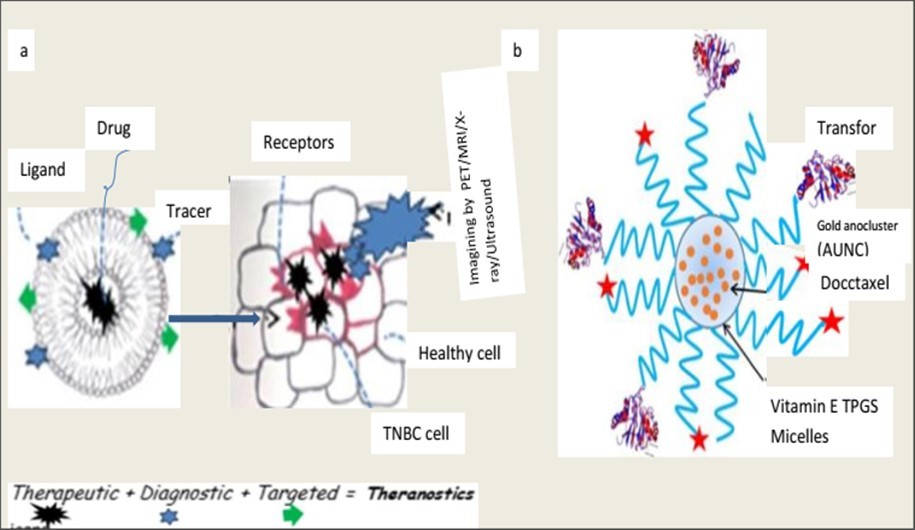
Download figure
Nanoparticle-based delivery systems
Nanoparticle-based delivery systems have been used in gene cancer therapy to improve the efficacy and specificity of gene delivery. These systems include targeting cancer cells, stimuli-responsive nanoparticles, codelivery of therapeutic agents, gene editing nanoparticles, immune modulation, imaging and therapeutic monitoring, and clinical translation. NPs can be engineered with specific ligands to target cancer cells or tumor microenvironment components, reducing off-target effects. Codelivery of therapeutic agents with other agents enhances anticancer effects, overcomes drug resistance, and improves therapeutic outcomes. Advances in gene editing technologies, such as CRISPR/Cas systems, have been integrated into nanoparticle-based delivery systems, allowing precise genome editing and targeted disruption of oncogenic pathways 62.
Gene editing technologies
Advancements in gene editing technologies, including CRISPR/Cas9, ZFNs, and TALENs, have significantly improved the accuracy and safety of gene editing, suggesting promising prospects for targeted cancer therapy 65. These technologies enable precise modifications to the genome, correcting disease-causing mutations and improving delivery efficiency and specificity. Enhanced targeting strategies, such as modified guide RNAs and cell-specific promoters and enhancers, have been developed, while multiplexed editing allows for simultaneous editing of multiple genes or genomic regions within the same cell. Off-target detection methods, such as high-throughput sequencing and bioinformatics tools, have improved the safety and reliability of gene editing therapies for clinical applications 66. Clinical translation of these technologies has advanced to preclinical and clinical trials for cancer therapy, evaluating the safety, efficacy, and feasibility of approaches such as editing immune cells to target cancer-specific antigens or correcting genetic mutations in cancer cells to inhibit tumor growth.
Combination therapies
Recent advances in gene cancer therapy have shown promising results in improving treatment outcomes and overcoming resistance mechanisms. Combinations of gene therapy with immunotherapy agents, chemotherapy, radiation therapy, targeted therapies, and gene editing technologies enhance antitumor immune responses, activate immune cells and promote tumor regression 67. Targeted therapies target specific molecular pathways involved in cancer growth and survival to overcome resistance mechanisms. Dual-function gene delivery systems deliver multiple therapeutic agents simultaneously, enhancing treatment efficacy. Patient-specific approaches based on tumor characteristics, genetic profiles, and immune responses are also being explored. Clinical trials and translational research are being conducted to evaluate the safety, efficacy, and feasibility of various drug combinations in cancer patients.
The Anti-Aging Gene Sirtuin 1
Despite remarkable progress in cancer gene therapy, several challenges remain, including achieving tumor-specific gene delivery, minimizing off-target effects, overcoming therapeutic resistance, and ensuring long-term safety. Recent advances in viral and nonviral delivery systems, genome editing technologies, and personalized therapeutic approaches have substantially improved the precision and efficacy of gene-based interventions. However, identifying additional molecular regulators that influence therapeutic outcomes remains essential for optimizing future cancer gene therapy strategies.
One promising molecular target is Sirtuin 1 (SIRT1), a nicotinamide adenine dinucleotide (NAD⁺)-dependent class III histone deacetylase that regulates numerous cellular processes involved in cancer development and progression. SIRT1 plays critical roles in DNA damage repair, chromatin remodeling, oxidative stress responses, apoptosis, cellular senescence, metabolism, and immune regulation. Through the deacetylation of several transcription factors, including p53, NF-κB, FOXO family proteins, and c-Myc, SIRT1 regulates cell-cycle progression, transcriptional activity, inflammatory responses, and programmed cell death. Consequently, SIRT1 has emerged as an important molecular regulator with potential implications for improving both the efficacy and safety of cancer gene therapy 68.
The biological function of SIRT1 in cancer is complex and highly context-dependent. In certain malignancies, SIRT1 acts as a tumor suppressor by preserving genomic stability, promoting DNA repair, and limiting oxidative stress. Conversely, in other cancer types, SIRT1 facilitates tumor progression by suppressing p53-mediated apoptosis, enhancing cell survival, and contributing to resistance against chemotherapy and radiotherapy. These dual functions suggest that careful assessment of SIRT1 expression and activity should be considered when designing gene therapy strategies involving gene replacement, gene silencing, RNA interference, CRISPR/Cas-mediated genome editing, or transcriptional regulation. Depending on the molecular characteristics of individual tumors, either pharmacological activation or inhibition of SIRT1 may enhance therapeutic efficacy and improve clinical outcomes.
In addition to regulating tumor cell survival, SIRT1 plays an important role in modulating immune responses within the tumor microenvironment. By regulating inflammatory signaling pathways and immune-cell activation, SIRT1 may influence the effectiveness of immune-based gene therapies and combination treatment strategies. Incorporating SIRT1-targeted modulation into gene delivery platforms therefore represents a promising approach for enhancing antitumor immunity while minimizing treatment-associated toxicity.
Emerging evidence also indicates that alterations in single-gene regulation and epigenetic control contribute significantly to disease progression across multiple pathological conditions, highlighting the importance of transcriptional regulators such as SIRT1 in maintaining cellular homeostasis and determining therapeutic responses 69. Furthermore, the close relationship between metabolic regulation, oxidative stress, and gene expression suggests that metabolic pathways may influence the success of gene therapy and should be considered during the development of personalized therapeutic strategies 70.
Future research should focus on validating SIRT1 as a predictive biomarker for patient selection and treatment monitoring while clarifying the molecular contexts in which SIRT1 functions as either a tumor suppressor or an oncogene. Combining SIRT1-targeted approaches with advanced viral and nonviral gene delivery systems, precision genome-editing technologies, and immunotherapeutic strategies may improve therapeutic specificity, reduce adverse effects, and overcome treatment resistance. Continued investigation of SIRT1-mediated signaling pathways will likely contribute to the development of safer, more effective, and personalized gene therapy approaches for cancer management.
Challenges of Cancer Gene Therapy
Recent advancements in cancer gene therapy have brought about exciting possibilities, but they also present challenges related to optimal transgene expression, therapeutic gene delivery, viral vector delivery, suicide gene delivery, and other gene delivery methods.
Optimal transgene expression involves controlling the dosage, timing, and duration of transgene expression to minimize off-target effects. Recent advances in gene expression control include the development of inducible promoters, regulatory elements, and RNA-based switches that allow for tunable and conditional gene expression.
Therapeutic gene delivery is crucial for efficient and targeted delivery of therapeutic genes to tumor cells while avoiding damage to healthy tissues. Recent advances in therapeutic gene delivery include the development of targeted delivery systems, such as nanoparticles, liposomes, and viral vectors modified for tumor specificity, which improve gene transfer efficiency, cellular uptake, and intracellular trafficking.
Viral vector delivery faces challenges related to immune responses, clearance mechanisms, and intracellular trafficking limitations. Recent advances in viral vector design include the development of safer, less immunogenic vectors with enhanced cargo capacity and tissue specificity. Engineering viral vectors to evade immune detection, target specific cell types, and integrate genetic payloads safely has improved their utility in gene therapy.
Suicide gene delivery faces challenges related to prodrug activation efficiency, bystander effects, and immune responses to gene therapy components. Recent advances in suicide gene delivery include optimizing enzyme-prodrug systems for improved prodrug activation kinetics, enhancing bystander effects to target adjacent tumor cells, and developing strategies to evade immune responses against therapeutic enzymes. Combining suicide gene therapy with other treatment modalities enhances its therapeutic potential.
Nonviral delivery methods face challenges related to low transfection efficiency, transient expression, and limited cargo capacity. Recent advances in nonviral delivery systems have focused on improving transfection efficiency, stability, and targeted delivery through nanoparticle design, chemical modifications, and the optimization of delivery vehicles.
Conclusion and Future Perspectives
Cancer treatment is crucial for treating genetic disorders and abnormalities and is influenced by factors such as the unique genetic profile, location, size, genomic components, nature, and host immune status of the tumor. Gene therapy must be fast, inexpensive, and less toxic to effectively treat cancer, with a higher cure rate and reduced use of tumor genomic analysis. Tumor cells can be treated with biological and nonviral methods, including agents targeting suicide genes, p53, tumor suppressors and oncogenes, antiangiogenic agents, Thymus cell receptors, short interfering RNAs (siRNAs), and antiangiogenic agents. Researchers can improve drug efficacy by modifying viral vectors, using specific cell promoters, combining oncogenes and suppressors, and using cytokine immunogenes.
References
- 1.Barrios C H. (2022) Global challenges in breast cancer detection and treatment ☆. The Breast. 62-1.
- 3.Rahman M M, FADM Opo, Asiri A M. (2022) Comprehensive Studies of Different Cancer Diseases among Less-Developed Countries. 1-11.
- 4.Lin J, Wang X, Ni D, Chen Y, Chen C et al. (2023) Combinational Gene Therapy toward Cancer with Nanoplatform: Strategies and Principles.
- 6.Karsa M, Xiao L, Ronca E, Bongers A, Spurling D et al. (2024) FDA-approved disulfiram as a novel treatment for aggressive leukemia. J Mol Med. 507-19.
- 7.Yi-wen W, Long-long L, Ming L, Hao L, Kong-wang H. (2022) Basic research Stem cell-like circulating tumor cells indicate poor prognosis in gastric cancer.
- 9.Mittal M, Kumari A, Paul B, Varshney A, Saini A. (2024) . Challenges and Opportunities of Gene Therapy in Cancer. OBM Genet 8(1), 1-50.
- 10.Makafui D, Valeria D, Sandoval E, Emmanuel T, Liyabona F et al. (2023) Technological advances in the use of viral and non viral vectors for delivering genetic and non genetic cargos for cancer therapy. Drug Deliv Transl Res. 13(11), 2719-38.
- 11.Rasul M F, Hussen B M, Salihi A, Ismael B S, Jalal P J. (2022) Strategies to overcome the main challenges of the use of CRISPR / Cas9 as a replacement for cancer therapy. Mol Cancer. 1-30.
- 13.Butt M H, Zaman M, Ahmad A, Khan R, Mallhi T H et al. (2022) Appraisal for the Potential of Viral and Nonviral Vectors in Gene Therapy A Review.
- 14.Yue N, Xu H, Xu J, Zhu M, Zhang Y et al. (2023) Therapeutic potential of gene therapy for gastrointestinal diseases Advancements and future perspectives. Mol Ther Oncolytics. 193-215.
- 15.Ferrari S, Valeri E, Conti A, Scala S, Aprile A et al. (2023) Review Genetic engineering meets hematopoietic stem cell biology for next-generation gene therapy. Stem Cell. 30(5), 549-70.
- 16.Zong R, Ruan H, Liu C, Fan S, Li J. (2023) Bacteria and Bacterial Components as Natural Bio-Nanocarriers for Drug and Gene Delivery Systems in Cancer Therapy.
- 17.Wang W, Zheng G, Lu Y. (2021) Recent Advances in Strategies for the Cloning of Natural Product Biosynthetic Gene Clusters. 1-17.
- 20.Jablunovsky A, Jose J. (2024) The Dynamic Landscape. of Capsid Proteins and Viral RNA Interactions in Flavivirus Genome Packaging and Virus Assembly. Pathogens 13-120.
- 21.Zhang J, Xiao Y, Zhang J, Yang Y, Zhang L et al. (2024) Recent advances of engineered oncolytic viruses based combination therapy for liver cancer. J Transl Med. 22-3.
- 22.Sallard E, Schulte L, Den Boom A Van, Klimovitskii A, Knierer J et al. (2024) Development of oncolytic and gene therapy vectors based on adenovirus serotype 4 as an alternative to adenovirus serotype 5. 1-12.
- 23.Zhang Q, Kuang G, Li W, Wang J, Ren H. Nano-Micro Letters. Springer Nature Singapore; (2023) Stimuli Responsive Gene Delivery Nanocarriers for Cancer Therapy. 15, 1-33.
- 24.Huang J, Zhou Y, Li J, Lu A. (2022) CRISPR / Cas systems Delivery and application in gene therapy. 1-21.
- 25.Wang C, Pan C, Yong H, Wang F, Bo T et al. (2023) Emerging non-viral vectors for gene delivery. J Nanobiotechnology. 21-272.
- 26.Rakoczy K, Kisielewska M, Mikołaj S, Jonderko L, Celi J et al. (2022) . applied sciences Electroporation in Clinical Applications — The Potential of. Appl Sci 12-10821.
- 27.Jorgovanovic D, Song M, Wang L, Zhang Y. (2020) Roles of IFN- γ in tumor progression and regression a review. 1-16.
- 28.Lan T, Que H, Luo M, Zhao X, Wei X. (2022) Genome editing via non viral delivery platforms current progress in personalized cancer therapy. Mol Cancer. 1-15.
- 29.Chehelgerdi M, Chehelgerdi M, OQB Allela, Daniel R, Pecho C. (2023) Progressing nanotechnology to improve targeted cancer treatment overcoming hurdles in its clinical implementation. Mol Cancer. 22-169.
- 30.Du M, Li Y, Chen Z. (2022) Sonoporation-Mediated Gene Transfection A Novel Direction for Cell Reprogramming In Vivo. 2021-3.
- 32.Li H, Zhu Y, Wang X, Feng Y, Qian Y et al. (2023) Joining Forces The Combined Application of Therapeutic Viruses and Nanomaterials in Cancer Therapy. 1-33.
- 33.Samec T, Boulos J, Gilmore S, Hazelton A, Alexander-bryant A. (2022) Materials Today Bio Peptide-based delivery of therapeutics in cancer treatment. Mater Today Bio. 100248.
- 34.Babamohamadi M, Babaei E, Salih B A, Babamohammadi M, Azeez H J et al. (2022) Recent fi ndings on the role of wild-type and mutant p53 in cancer development and therapy. 1-11.
- 35.Wallis B, Bowman K R, Lu P, Lim C S. (2023) The Challenges and Prospects of p53-Based Therapies in Ovarian Cancer.
- 36.Wang H, Guo M, Wei H, Chen Y. (2023) Targeting p53 pathways mechanisms , structures , and advances in therapy. 1-35.
- 37.Liu Z, Chen H, Zheng L, Sun L, Shi L. (2023) Angiogenic signaling pathways and anti-angiogenic therapy for cancer. 1-39.
- 38.Chehelgerdi M, Chehelgerdi M, Ghahfarokhi M K, Shafieizadeh M, Mahmoudi E et al. (2024) Comprehensive review of CRISPR based gene editing mechanisms , challenges , and applications in cancer therapy. Mol Cancer. 23-9.
- 39.Bai J, Qiu S, Zhang G. (2023) Molecular and functional imaging in cancer-targeted therapy current applications and future directions. , Springer US;
- 40.Li X, Zhou J, Wang X, Li C, Ma Z et al. (2023) Biomedicine & Pharmacotherapy New advances in the research of clinical treatment and novel anticancer agents in tumor angiogenesis. Biomed Pharmacother. 163(17), 114806.
- 41.Flynn J F, Wong C, Wu J M. (2009) . Anti-EGFR Therapy Mechanism and Advances in Clinical Efficacy in Breast Cancer .
- 42.Ahmed H, Ra A, Faijanur M, Siddiquee R, Shahriar A et al. (2023) Cancer Pathogenesis and Therapy Role of T cells in cancer immunotherapy Opportunities and challenges. 116-26.
- 43.Chi X, Luo S, Ye P, Hwang W. (2023) T-cell exhaustion and stemness in antitumor immunity Characteristics , mechanisms , and implications. 1-18.
- 44.Wang M M, Figueiredo C R. (2023) Resistance to immune checkpoint therapies by tumour-induced T-cell deserti fi cation and exclusion key mechanisms , prognostication and new therapeutic opportunities.
- 45.He Q, Jiang X, Zhou X, Weng J. (2019) Targeting cancers through TCR-peptide / MHC interactions. 8, 1-17.
- 46.Bode A M. (2023) Recent Advances in Carcinogenesis Transcription Factors Biomarkers and Targeted Therapies.
- 47.Debela D T, SGY Muzazu, Heraro K D, Ndalama M T, Mesele B W et al. (2021) New approaches and procedures for cancer treatment Current perspectives.
- 48.Quraish R, Hirahata T, Quraish A, Quraish S. (2023) An Overview Genetic Tumor Markers for Early Detection and Current Gene Therapy Strategies.
- 49.Jang T, Kim H, Eo W, Kim K H, Lee C M et al. (2023) for the Pretreatment Assessment of Adnexal Masses. Clinical Significance of the Combination of Serum HE4 Levels , Hemoglobin-to-Red Cell Distribution Width Ratio , and CT Imaging 14.
- 50.Saeb S, Assche J Van, Loustau T, Rohr O. (2022) Suicide Gene Therapy in Cancer and HIV-1 infection an alternative to conventional treatments. 1-55.
- 51.Izmirli M, Sonmez D, Gogebakan B. (2016) The war against cancer Suicide gene therapy The war against cancer Suicide gene therapy.
- 52.Xu F, Zheng C, Xu W, Zhang S. (2024) Breaking genetic shackles The advance of base editing in genetic disorder treatment. 1-39.
- 53.Sheudeen A A, Anthony A, Ben-chioma A, Elekima I. (2024) Gene Therapy Advancements for Precision Cancer Treatment Challenges and Opportunities in Sub- Saharan Africa – Nigeria Perspective.
- 54.Uddin F, Rudin C M, Sen T. (2020) CRISPR Gene Therapy Applications , Limitations , and Implications for the Future.
- 55.Paul A, Muralidharan A, Biswas A, Kamath B V, Joseph A et al. (2022) OpenNano siRNA therapeutics and its challenges Recent advances in effective delivery for cancer therapy. OpenNano. 100063.
- 56.Kumar K, Rani V, Mishra M, Chawla R. (2022) Current Research in Pharmacology and Drug Discovery New paradigm in combination therapy of siRNA with chemotherapeutic drugs for effective cancer therapy. Curr Res Pharmacol Drug Discov. 100103.
- 57.Kalita T, Dezfouli S A, Pandey L M, Uludag H. (2022) . siRNA Functionalized Lipid Nanoparticles ( LNPs ) in Management of Diseases 1-35.
- 58.Haideri A, Cell C, Haideri M Al, Tondok S B, Safa S H et al. (2022) CAR T cell combination therapy the next revolution in cancer treatment. Cancer Cell Int. 1-26.
- 59.Jung I, Shin S, Baek M. (2024) Modi fi cation of immune cell-derived exosomes for enhanced cancer immunotherapy current advances and therapeutic applications. KSBMB.
- 60.Poorebrahim M, Foad M, Sadeghi S, Mahmoudi R, Kheirollahi A et al. (2020) Pharmacology & Therapeutics Genetically modi fi ed immune cells targeting tumor antigens. Pharmacol Ther j. 214-1.
- 61.Lu B, Lim J M, Yu B, Song S, Neeli P et al. (2024) The next-generation DNA vaccine platforms and delivery systems advances , challenges and prospects. 1-24.
- 62.Ma S, Kim J H, Chen W, Li L, Lee J et al. (2023) Cancer Cell-Specific Fluorescent Prodrug Delivery Platforms. 2207768-1.
- 63.Nervig C S, Hatch S T, Owen S C. (2022) Complementation Dependent Enzyme Prodrug Therapy Enables Targeted Activation of Prodrug on HER2-Positive Cancer Cells. 2.
- 64.Wang X, Li C, Wang Y, Chen H. (2022) Smart drug delivery systems for precise cancer therapy. Acta Pharm Sin B. 12(11), 4098-121.
- 65.Veluchamy A, Teles K, Fischle W. (2023) OPEN CRISPR broad combined design of multi targeting gRNAs and broad , multiplex target finding. Sci Rep. 1-12.
- 67.Viktorsson K, Rieckmann T, Fleischmann M, Diefenhardt M, Hehlgans S et al. (2023) Advances in molecular targeted therapies to increase efficacy of ( chemo ) radiation therapy. 1091-109.
- 68.Martins I J, Martins I J. (2021) senescence and apoptosis in global populations Anti-Aging Genes Improve Appetite Regulation and Reverse Cell Senescence and Apoptosis in Global Populations. 5-2016.